Understanding the Real Challenge
At first glance, it sounded like a simple registration system. But as we went deeper, we realized the challenge was much bigger.
We were not just building a platform. We were building structure for an entire ecosystem.
Different tournaments had different formats. Some tracked detailed stats, some only recorded winners. Player names were inconsistent. Duplicate entries were common. Verifying identities was difficult. Even something as basic as ranking players across tournaments was nearly impossible.
We needed to design a system that could bring order to something that had never been structured before.
Turning Chaos into Structure
We started by mapping how tournaments actually worked in real life.
Instead of forcing organizers to change their process completely, we designed the platform to adapt to their workflow. At the same time, we introduced a layer of structure that ensures data consistency.
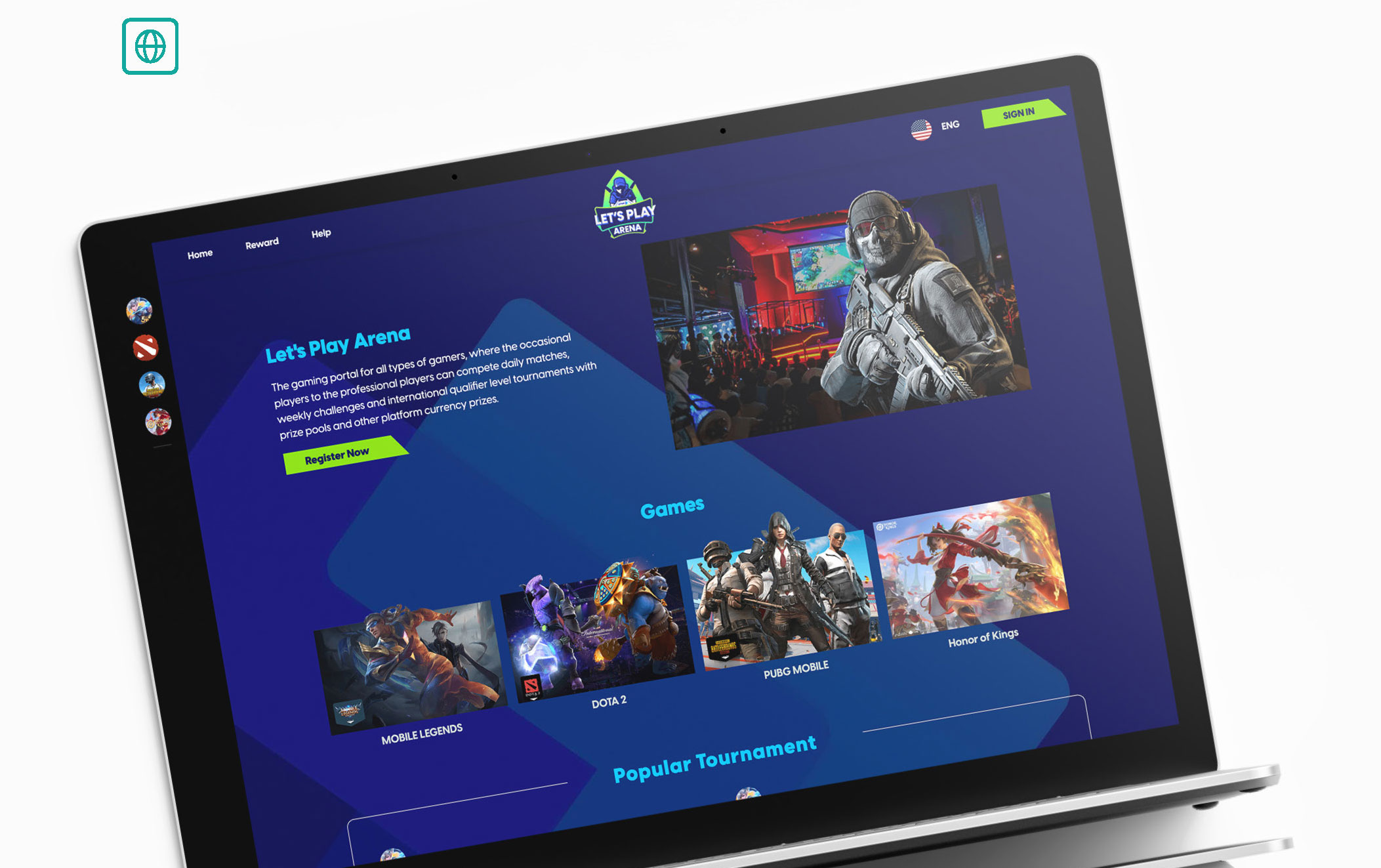
Players can now create verified profiles. They can register for tournaments through a unified system. Their game accounts can be linked, allowing accurate tracking of participation and performance.
On the organizer side, everything becomes clearer. Registrations are clean. Data is centralized. Match results and statistics are recorded in a structured format that can be accessed anytime.
What used to take hours of manual coordination can now be managed in a much more efficient and reliable way.
Challenges Along the Way
Like every meaningful project, this was not built without challenges.
One of the biggest difficulties was designing a flexible system that works across different types of tournaments. Esports is not a single format. Each game has its own rules, metrics, and structure. We had to create a system that is both standardized and adaptable at the same time.
Another challenge was data accuracy. Since we were moving from manual records to a digital system, we had to ensure that duplicate entries, inconsistent naming, and missing data were handled properly. Building validation and verification processes became a critical part of the system.
Performance was also something we had to think carefully about. A nationwide platform means growing data over time. Player records, match histories, and statistics can quickly become large. We designed the system in a way that it can scale while still maintaining smooth performance.
And of course, there was the human side of the challenge. Introducing a new system means people need to change how they work. We focused on keeping the interface simple and intuitive so that organizers and players can adopt it easily without a steep learning curve.